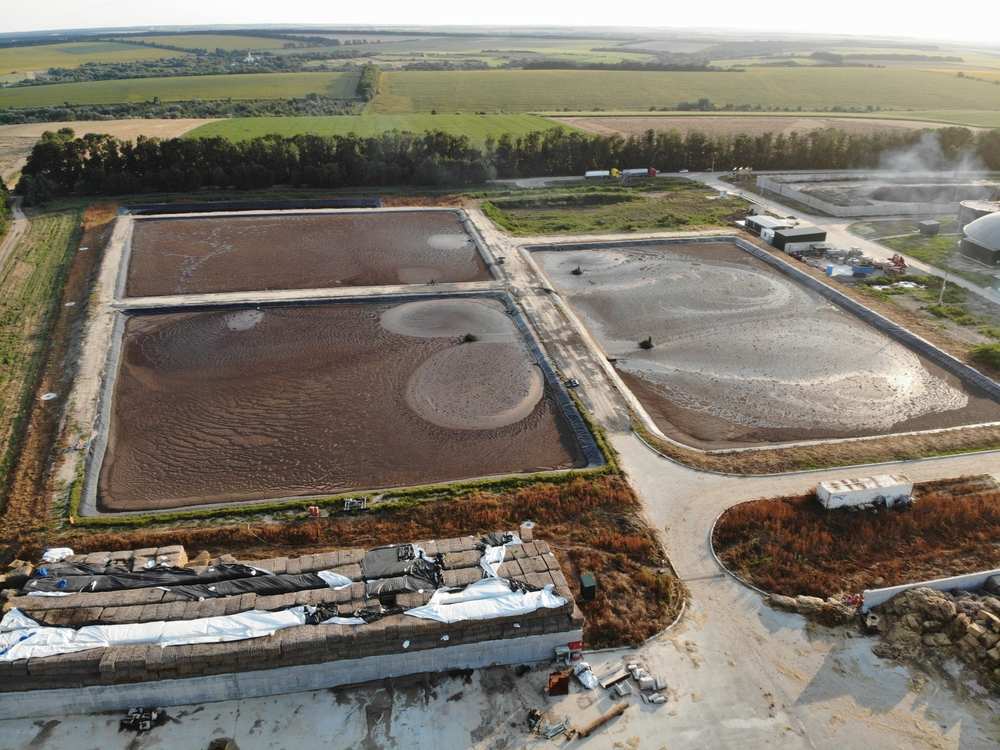
Hexagonal floating covers reduce irrigation reservoir evaporation by 90–97% — recouping capex in 18–30 months for water-stressed Mediterranean and Iberian agriculture.
What covers do for agriculture
Spanish, southern French, and Italian irrigation reservoirs typically lose 30–50% of stored volume to evaporation each season. Hexagonal floating covers eliminate that loss, retaining reservoir capacity for irrigation season-end when it matters most. Secondary benefits include algae suppression (no clogged emitters) and reduced filter maintenance.
How they work
- Hexagonal HDPE elements tessellate over the reservoir surface.
- No anchors — accommodates moving water levels through the season.
- Inflow/outflow tolerance — covers float around irrigation infrastructure.
- 25+ year lifecycle — capital recovered many times over.
Benefits for irrigation operators
| Metric | Value |
|---|---|
| Evaporation reduction | 90–97% |
| Stored capacity retained late season | Up to 50% |
| Drip emitter maintenance reduction | Significant |
| Payback period | 18–30 months |
| Lifecycle | 25+ years |
Use cases
- Olive, almond, citrus, and vineyard irrigation reservoirs
- Greenhouse irrigation storage
- Aquaculture ponds (algae and evaporation control)
- Livestock watering ponds (algae control)
Floating covers vs. agricultural alternatives
Agricultural operators considering evaporation control typically weigh:
- Floating cover (hexagonal modular). 90–97% evaporation reduction, 25+ year lifecycle, no power.
- Shade mesh / shade cloth. 0–5% evaporation effect (vapour-permeable); useful only for algae control on small bodies. See hexagonal vs. shade mesh.
- Subsurface drip irrigation upgrade. High capex; addresses distribution loss, not reservoir storage loss.
- Switch to recycled water. Capital-intensive (recycling plant); justified where regulation or scarcity drives.
For most Mediterranean irrigation operations, floating covers deliver the fastest and most durable savings.
Regulatory context
EU Common Agricultural Policy cross-compliance increasingly rewards measurable water-efficiency improvement. Water-savings from floating covers are auditable and reportable.