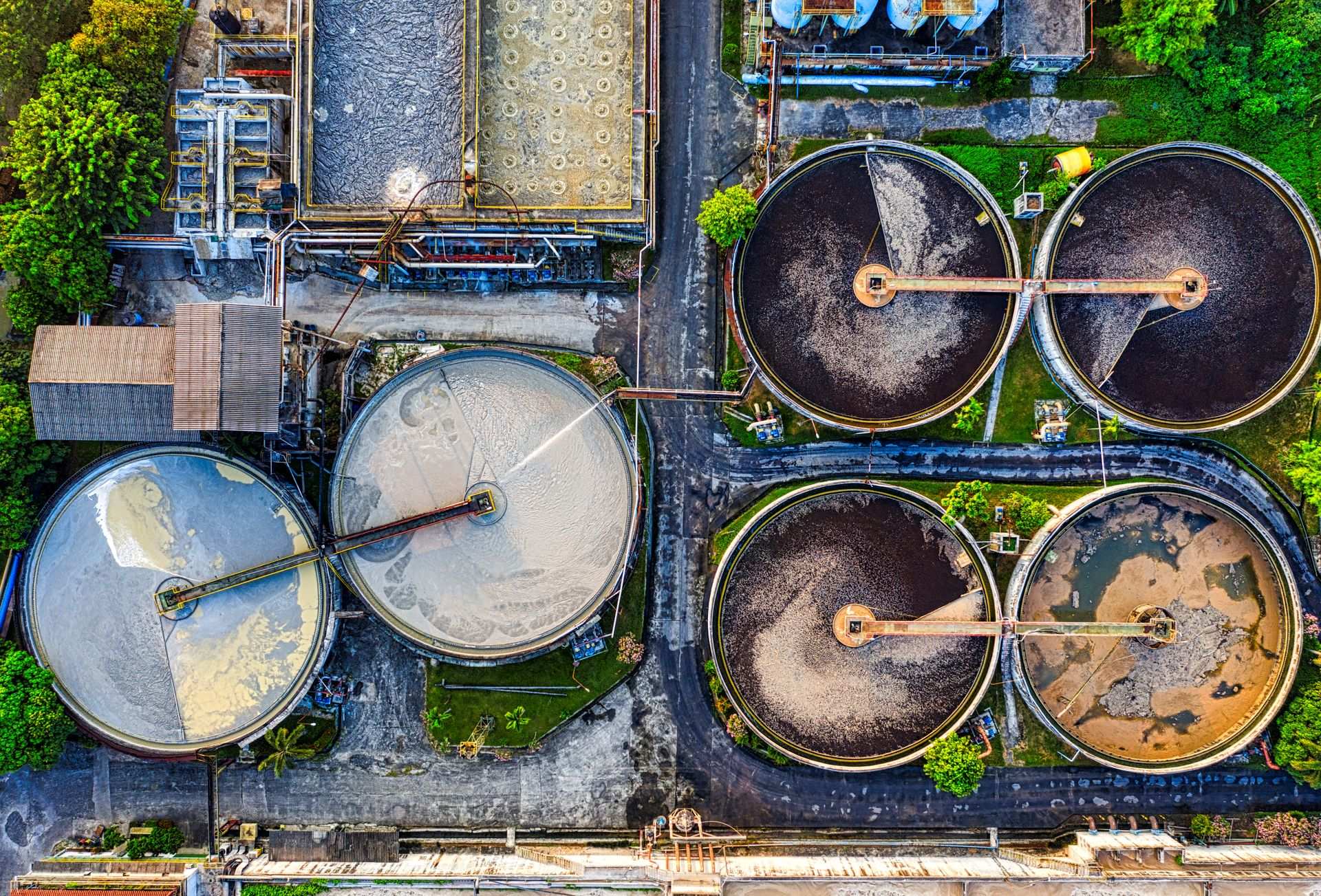
For EU water utilities, an NSF/ANSI food-grade hexagonal floating cover suppresses algae, cuts treatment chemical use by 70–90%, and retains reservoir capacity during drought — without taking service reservoirs offline. EuroCover quotes both Hexprotect® AQUA (NSF/ANSI by default) and Hexofloat® (food-grade material available on request) for this brief.
Why EU water utilities deploy covers
EU water utilities face compounding pressure: drought-driven supply constraints, taste-and-odor complaints from algae blooms, rising treatment costs, and tightening EU Drinking Water Directive compliance. Floating covers address all four at the source — by blocking the sunlight that drives algae and the surface area that drives evaporation.
Procurement check-list for potable applications
- NSF/ANSI food-grade HDPE documentation (FDA-compliant formulations available).
- DWI Regulation 31 compliance (UK projects).
- EU Drinking Water Directive scope check for the destination jurisdiction.
- Service-reservoir offline window — EuroCover’s anchorless install removes that constraint.
For the engineering principle behind the modular hexagonal cover, see pond-cover.com/hexagonal-floating-cover.
Benefits for water utilities
| Metric | Value |
|---|---|
| Sunlight blocking (Hexprotect® AQUA) | 99% (AWTT) |
| Chemical treatment reduction | 70–90% |
| Evaporation reduction (Hexprotect® AQUA) | up to 95% (AWTT) |
| Potable certification | NSF/ANSI food-grade; FDA-compliant formulations |
| Manufacturer warranty | 10 years (AWTT) |
| Service reservoir downtime for installation | Zero |
Floating covers vs. utility alternatives
Water utilities considering algae and drought-resilience measures typically weigh these options:
- Floating cover (hexagonal modular). 95%+ algae, 90–97% evaporation, 25+ year lifecycle, NSF-61 certified, no operational interruption.
- Algaecide dosing (copper sulfate or equivalent). Episodic, requires monitoring, increases priority-substance loading.
- Aeration. Continuous power, 60–85% algae effect, doesn’t address evaporation.
- UV treatment at point-of-use. Disinfects what reaches customers but doesn’t prevent algae formation in storage. Best deployed alongside covers, not instead.
See our hexagonal vs. UV treatment and hexagonal vs. aerators comparisons for direct head-to-head detail.
Regulatory context
- EU Drinking Water Directive (2020/2184) — covers reduce the precursors of disinfection byproducts.
- UK Drinking Water Inspectorate — NSF-61 satisfies UK potable contact requirements.
- EU Water Framework Directive — reduced abstraction supports water-body status improvement.